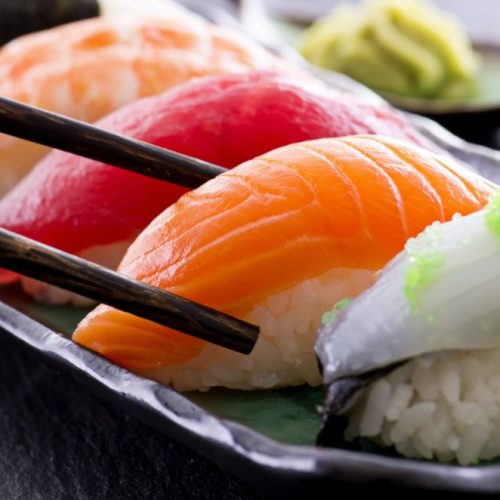
There are all sorts of different types of rice, but have you ever wondered about the difference between Japanese rice and other kinds of rice? It’s actually quite different! Japanese rice is shorter and rounder than other types of rice, and it has a higher starch content. That means it’s more sticky and can hold together better in dishes. In this article, we’ll take a look at what makes Japanese rice different and why so many people prefer it over other kinds of rice.
What Is Japanese Rice?
Japanese rice is a short-grain variety of rice that is grown in Japan. Japanese rice is characterized by its sticky, chewy texture and its sweet flavor. Japanese rice is also stickier than other types of rice, making it ideal for sushi and other dishes where a sticky texture is desired.
The following is what makes Japanese rice different from other kinds of rice:
Japanese Rice Is Milled Differently
Japanese rice is milled differently than other types of rice. Japanese rice is milled using a process called “polishing.” Polishing removes the bran and germ from the rice, leaving only the starchy endosperm. This results in a shorter, rounder grain of rice. This process also gives Japanese rice its signature white color. Japanese rice is often milled to a higher degree than other types of rice, which results in a stickier texture.
Japanese Rice Is Grown In Different Conditions
Japanese rice is grown in different conditions than other types of rice. Japanese farmers use a method called “flooding” to grow their rice. Flooding involves flooding the fields with water during the growing season. This method of growing results in a sweeter flavor and a stickier texture. Japanese rice is also grown in shorter, cooler seasons than other types of rice. This results in a higher starch content, which also contributes to the sticky texture.
Japanese Rice Has A Unique Flavor
Japanese rice has a unique flavor that is different from other types of rice. Japanese rice is sweeter than other types of rice due to the way it is grown and milled. Japanese rice is also stickier than other types of rice, which gives it a chewy texture. The combination of these factors makes Japanese rice a popular choice for sushi, noodles, and other dishes where a sweet, chewy texture is desired.
It Has A Higher Amylose Content
Japanese rice also has a higher amylose content than other types of rice. Amylose is a type of starch that gives the rice its sticky texture. A high amylose content makes Japanese rice more sticky and chewy than other types of rice.
Japanese Rice Is Grown In Cooler Climates
Japanese rice is usually grown in cooler climates than other types of rice. This is because the plant thrives in temperatures that are between 20 and 30 degrees Celsius. Japanese rice is also typically planted in early spring and harvested in late summer or early autumn.
It Is Healthy
Japanese rice is a staple in the Japanese diet and has been shown to be healthful in several ways. One reason for its healthfulness is that it is typically grown using traditional farming methods that avoid the use of harmful chemicals and pesticides.
Another reason why Japanese rice may be healthier than other types of rice is that it is often eaten with miso soup, which contains many healthy probiotic bacteria. Additionally, Japanese rice is usually prepared using short-grain varieties, which have a lower glycemic index and are therefore less likely to cause spikes in blood sugar levels. Finally, Japanese rice is often steamed instead of boiled, which helps preserve its nutrient content.