Do you think Japanese food is the healthiest in the world? There are plenty of reasons why people might think that. Japan has one of the lowest obesity rates in the world, and some of the longest life expectancies. In this article, we’ll explore five reasons why Japanese food is so healthy.
Japanese Food Has A High Protein Content
Soy protein is the most popular protein ingredient in Japanese foods. It is a complete protein that contains all the essential amino acids our body needs. Soy protein can lower cholesterol and has been linked to several health benefits, such as reducing the risk of heart disease, stroke, and some types of cancer. Japanese soy products are also typically low in saturated fat and calories, making them a healthy option for those watching their weight.
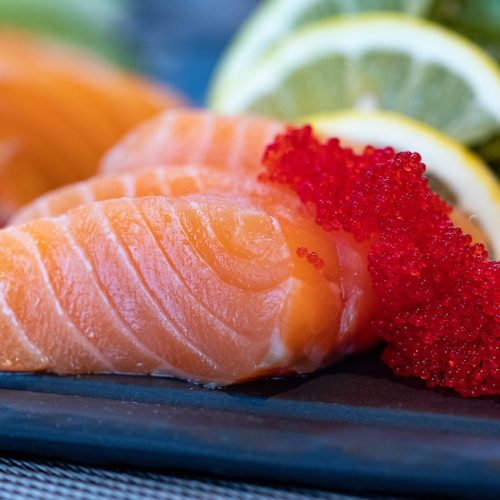
Another popular protein source in Japanese cuisine is fish. Fish is not only a good source of high-quality protein but it is also packed with heart-healthy omega-3 fatty acids. These fatty acids have been shown to protect against heart disease and stroke, and may also help improve cognitive function and reduce inflammation. Common fish used in Japanese dishes include tuna, salmon, mackerel, and snapper.
They Have Noodles Made From Healthy Ingredients
Noodles are another common ingredient in Japanese cuisine, and they can be made from a variety of different materials including wheat, rice, buckwheat, and even soybeans. Noodles are typically low in calories and fat but high in carbohydrates, making them good options for those looking for an energy boost. Buckwheat noodles, in particular, have been linked to several health benefits including improved blood sugar control and reduced risk of heart disease.
Japanese Foods Are Prepared Through Healthier Cooking Methods
When it comes to the preparation of food, Japan is well-known for its healthy cooking methods. For centuries, the Japanese have used traditional techniques that help to preserve the nutritional value of their foods. Even today, many of the country’s top chefs continue to use these methods in order to create healthy and delicious dishes.
One of the most popular methods of cooking in Japan is steaming. This method allows the food to retain its natural moisture and flavor, while also being cooked evenly. As a result, steamed vegetables and fish are often considered some of the healthiest options on a Japanese menu.
Another common method of cooking in Japan is grilling. This method uses high heat to cook the food quickly, which helps to seal in its natural juices. Grilled meats and vegetables are often served with a variety of dipping sauces, which can add even more flavor to the dish.
Japanese cuisine also makes use of a variety of fermenting and pickling methods. These methods help to preserve the food’s nutrients, while also giving it a unique flavor. Fermented foods such as miso and soy sauce are commonly used in Japanese cooking and are thought to be beneficial for overall health.
Pickled vegetables are another common ingredient in Japanese cuisine. These vegetables are often used as a side dish or condiment and can add a delicious tangy flavor to any meal.
Japanese Foods Emphasizes Fresh Ingredients
One of the things that make Japanese cuisine so special is the emphasis on fresh ingredients. In Japan, it is believed that food should be enjoyed at its peak of freshness. As a result, many Japanese dishes are made with seasonal ingredients that are sourced from local farms.
This focus on freshness means that Japanese chefs often use simpler cooking methods that allow the ingredients to shine. For example, sushi is typically made with just a few simple ingredients such as fish, rice, and seaweed. The flavor of the dish comes from the quality of the ingredients, rather than from any elaborate preparation.