Sushi and Sashimi are two of the most popular Japanese dishes around the world. But what’s the difference between them? In this article, we will discuss 5 differences between Sushi and Sashimi that you need to know!
The Differences Between Sashimi and Sushi Everyone Should Know in a Nutshell
Sushi and sashimi are exquisite Japanese foods that everyone should experience. But first, you must distinguish between sushi and sashimi so that you may appreciate them even more. With so many different types of sushi out there, it’s no wonder people often get Sashimi and Sushi confused.
What is Sushi?
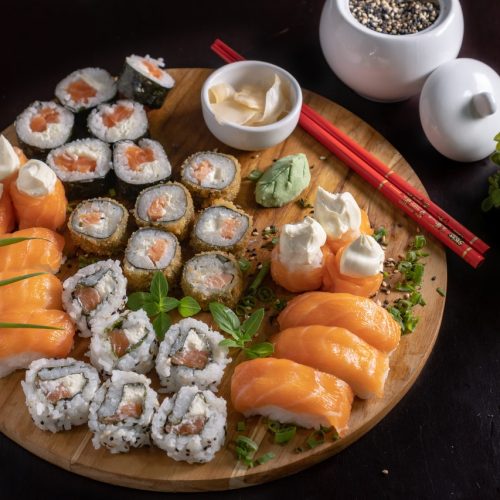
Sushi is a Japanese dish that consists of vinegar-flavored rice (sushi-meshi) and other ingredients, usually raw fish or seafood. The most common sushi roll contains nori (seaweed), cucumber, avocado, and either tuna or salmon.
Sushi is often confused with sashimi, another Japanese dish that consists of raw fish or seafood. Sashimi is the fish itself, while sushi refers to vinegared rice. Sashimi can be served with sushi, but it can also be enjoyed on its own.
- Sushi is a healthy, delicious meal that’s perfect for any occasion
- Sushi is perfect for anyone who wants to enjoy a unique dining experience
- Sushi is a great way to explore Japanese cuisine and culture
- Sushi is the perfect dish for seafood lovers
There are two basic types of sushi, each of which is served in the form of nigiri and maki (rolls), with significant differences in preparation and consumption. The rice pie known as nigiri can be garnished with sashimi (i.e., fresh raw fish or meat placed on the pie). The maki roll, made from rice and vegetables wrapped up inside each other with a vinegared wrap, is something most people are familiar with since it’s filled with rice, veggies, and other ingredients.
- Variety of flavors and ingredients
- Fun, easy to eat
- Perfect for any occasion
- Affordable
What is Sashimi?
Sashimi is the Japanese term for raw fish or meat cut into thin slices. In Japanese, the words “Sashi” and “mi” both mean to pierce or cut. For the most part, sashimi is made out of raw, fresh fish or meat that has been thinly sliced and is served with a salted soy sauce and other sides like rice, and veggies.
- Sashimi is a great source of protein and other nutrients
- Sashimi is low in calories and fat
- Sashimi is a good source of omega-3 fatty acids
- Sashimi tastes great and is easy to prepare
There are various kinds of sashimi, including mackerel, salmon, potato sashimi, fatty tuna, yellowtail, and squid. Additionally, sashimi can be made from a variety of meats, including beef, chicken, and pork (but not in Japan).
Sashimi is a delicate dish that requires the freshest ingredients to make it taste its very best. Served with or without rice, sashimi can be drizzled in soy sauce and garnished accordingly for an authentic Japanese experience! The finest quality fish should ideally be used to make sashimi (which is promptly iced to retain freshness). Ideally, saltwater fish is preferred due to less risk of parasites to avoid any intestinal problems.
- Get the freshest, most authentic Japanese sashimi experience
- Served with or without rice – perfect for any occasion!
- Made with only the finest quality fish – no risk of parasites!
- Ideal for a casual night in or a more formal gathering – sashimi is perfect for any event!
Sushi vs. Sashimi: What’s the Difference?
If you’re a sushi lover, you’ve probably had your fair share of sushi and sashimi. But what’s the difference between the two? Sushi and sashimi are both made with raw fish, but several key differences set them apart. Let’s take a look at the five main differences between these two popular Japanese dishes.
1. The rice
Sushi is made with vinegar-flavored rice, while sashimi is not. Sushi rice is also known as shari or sumeshi. It’s a short-grain Japanese rice that’s been polished to remove the bran layer and germ.