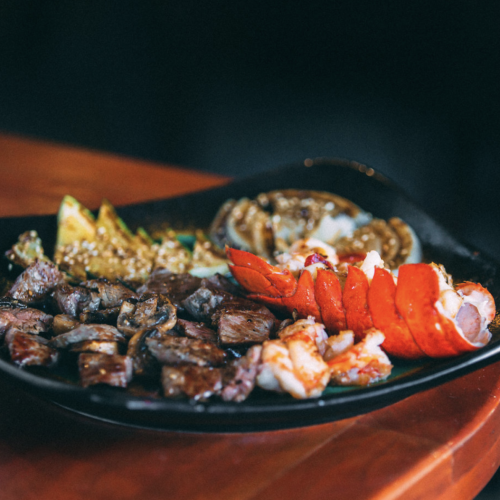
One of the most amazing things about learning Japanese culture is learning how to eat it. With so many options, it’s hard not to be overwhelmed by all the choices available, but eating Japanese food can also be incredibly fun and rewarding! So let’s get started with some basics on Japanese cuisine!
There are different styles of Japanese cuisines depending on region; for example, Osaka is famous for its street food called takoyaki (octopus balls) while yakiniku (grilled meat) in Kyushu is known far and wide. However, there are three major kinds of traditional Japanese dishes that you’ll probably end up trying at some point or another if you’ve had Japanese food before: ramen, sushi and teriyaki.
Ramen is a dish that consists of ramen noodles served in a meat or fish-based broth with toppings like sliced pork, seaweed and boiled eggs. A classic example of this dish is tantanmen, Chinese-style ramen noodles topped with sesame seeds and chili oil. If you’re looking for some more delicious types of ramen, check out the “Types of Ramen” section below!
Sushi often comes in rolls wrapped with dried seaweed called nori while some others are rolled around rice and fillings such as raw seafood (known as sashimi) or pickled ginger and wasabi. You can eat it either plain or dip it in soy sauce with a slice of ginger. Popular types of sushi include nigiri, which is an oblong mound of rice topped with seafood or other ingredients like egg omelet (tamagoyaki) and sashimi, but there are many kinds of sushi you can find depending on the region.
Teriyaki is commonly yakitori-style grilled chicken marinated in sweetened soy sauce. There are different kinds, including pork katsu served with tonkatsu sauce or beef steak served with teriyaki sauce. It usually comes as part of a set with miso soup, salad and rice.
Types of Ramen
There are so many varieties to try! Here’s just a sampling:
- Miso ramen – the most familiar type of Japanese ramen. Its broth is made from soy sauce and miso paste, giving it a slightly sweet taste. The noodles are thin and curly while the toppings include sliced pork or menma (bamboo shoots).
- Shio ramen – its salt-based broth gives this variety of ramen a more delicate flavor than other types, making it easy for people who find that regular ramen is too heavy. The noodles are thin and straight while the toppings usually include chashu (sliced barbecued pork), green onions, bean sprouts and boiled egg.
However, there are also some things you should know before you dive into Japanese cuisine.
Miso Soup Isn’t Always Vegetarian
Not all miso soups are vegetarian because dashi (fish stock) is commonly used. That’s why you should always ask if the miso soup contains fish stock before eating at a restaurant.
You Can’t Order More Than One Entree at Many Restaurants
Many Japanese restaurants will not allow you to order multiple entrees for dinner because the emphasis in Japan is on one dish per person. This is why some sushi restaurants in the US charge for more than one piece of nigiri. This isn’t common at all places, but it’s important to be aware that some do this.
Drinking Cold Water with Meals is Common
You should definitely try living like a local and drinking green tea while eating your meals! However, you can also drink cold water with your meal.