Are you looking for a way to improve your health without breaking the bank? If so, you may want to consider adding some Japanese foods to your diet. Contrary to what many people believe, Japanese cuisine can be quite healthy. In fact, there are many different dishes that are packed with nutrients and antioxidants. Here are just five of the healthiest Japanese foods that you can add to your diet.
Miso Soup
Miso soup is a traditional Japanese dish that is made with fermented soybean paste. This paste is then combined with dashi, a type of fish broth, and other ingredients like tofu, seaweed, and green onions.
The fermentation process of soybeans creates beneficial probiotics that can help improve gut health. Miso soup is also low in calories and fat, making it a great choice for those looking to lose weight or maintain a healthy weight.
In addition to being healthy and low in calories, miso soup is also incredibly delicious. It has a rich, savory flavor that is perfect for warming up on a cold day or satisfying a hearty appetite. Whether you are eating it at home or enjoying it in a restaurant, miso soup is sure to please your taste buds.
Sushi
Sushi is another healthy Japanese food that is perfect for those looking to lose weight or maintain a healthy weight. Sushi is made with raw fish that is typically high in omega-3 fatty acids. These fatty acids are good for your heart and can help reduce the risk of stroke and other cardiovascular diseases. In addition to being high in omega-3 fatty acids, sushi is also low in calories and fat.
Sushi is often served with wasabi, a type of horseradish that has been shown to have antibacterial properties. Wasabi can help prevent the growth of harmful bacteria in the body, making it a great choice for those looking to improve their overall health.
Gyoza
Gyoza is a Japanese dish that typically consists of dumplings that are filled with vegetables and meat and then pan-fried. While the fillings can vary, they usually include cabbage, pork, ginger, and garlic.
One of the reasons why gyoza is considered to be a healthy Japanese food is because it is relatively low in calories. A typical serving of gyoza (6 dumplings) contains only about 120 calories. In addition, gyoza is also a good source of protein and fiber.
Another reason why gyoza is considered to be a healthy Japanese food is that it can be cooked in a variety of ways that are all relatively healthy. For example, you can steam gyoza, which is a very healthy way to cook them.
Tempura
Tempura is a Japanese dish that typically consists of seafood or vegetables that have been battered and deep-fried. While deep-frying is not generally considered to be a healthy cooking method, tempura is an exception. The batter used for tempura is light and airy, and it doesn’t absorb much oil. This means that tempura is relatively low in calories and fat compared to other fried foods.
In addition, the vegetables and seafood used in tempura are also healthy. Seafood is a great source of protein, omega-3 fatty acids, and minerals like iron and zinc. Vegetables are packed with vitamins, minerals, and fiber. So overall, tempura is a fairly healthy Japanese dish.
Sashimi
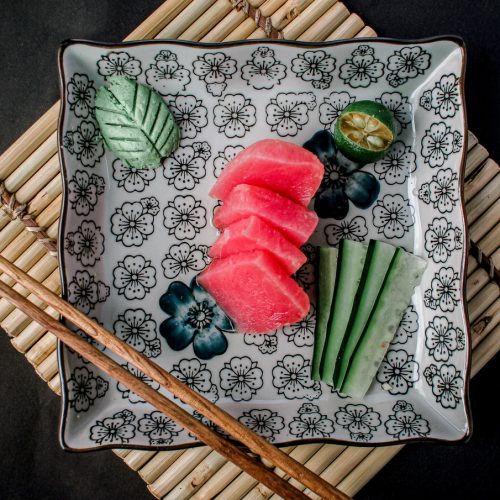
Sashimi is one of the healthiest Japanese foods because it is made with fresh, raw fish. The fish is usually caught wild, and it is very low in mercury. Sashimi is also a good source of omega-3 fatty acids, which are beneficial for your heart health.
Another reason sashimi is considered to be a healthy food is that it is typically served with other nutrient-rich items such as seaweed, wasabi, and ginger. These sides provide valuable vitamins and minerals that can help boost your overall health.
Why Do The Japanese Love Eating Healthy Foods?
This is likely due to a variety of reasons, including the country’s historical emphasis on Zen Buddhism and the Samurai code of honor. Both of these philosophies promote balance and respect for nature, which extends to the way the Japanese view food and nutrition.
The typical Japanese diet is based on whole, unprocessed foods that are minimally refined and contain plenty of fresh fruits, vegetables, seafood, and lean protein sources. This approach to eating has been shown to have numerous health benefits, including a reduced risk of chronic diseases like heart disease, stroke, cancer, and type 2 diabetes.