
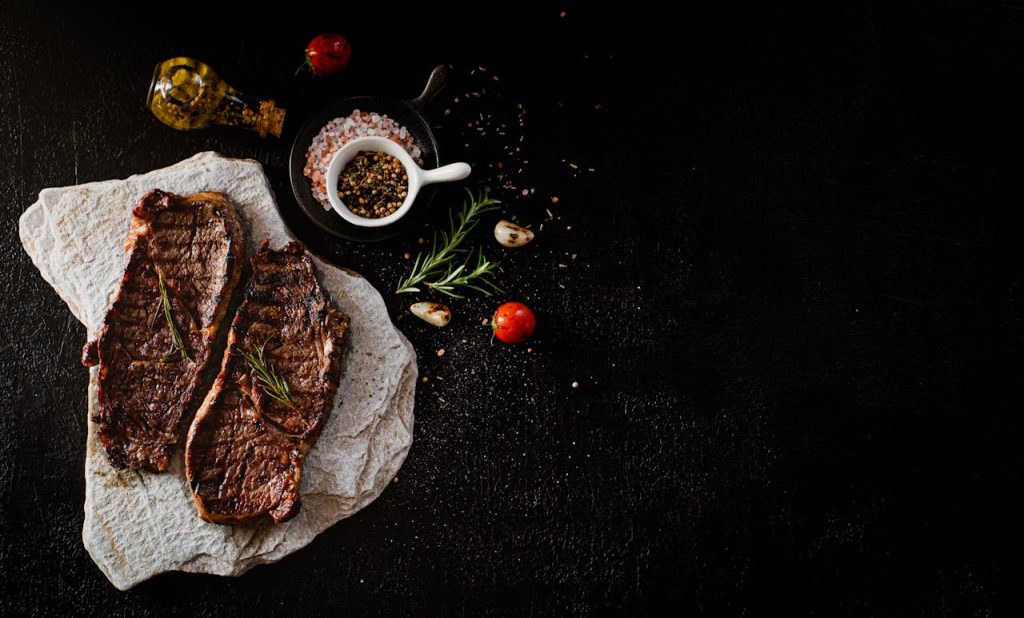
Benicia, California: A Look At The City And The Rise Of The Japanese Steak Dinner
Tucked along the Carquinez Strait where rolling hills meet the shimmering edge of the Bay, Benicia, California, feels at once like a small-town film set and a lived-in, waterfront neighborhood. With a Main Street lined by clapboard storefronts, a military-era clock tower that looms like civic punctuation, and palm trees dotting the promenade, Benicia has long been a place where history and contemporary life brush shoulders. But stroll its streets, and you’ll also find something that speaks to a broader American story: the rise of the Japanese steak dinner. This theatrical teppanyaki/“hibachi” experience took the U.S. by storm in the 1960s and never quite left the national palate. This is a story about place, migration, culinary invention, and the way restaurants become stages for memory and community.
A. Benicia’s Roots: A City Shaped By Geography And Gold Rush Rumor
Benicia’s origin story is cinematic. Founded in 1847 on land tied to General Mariano Guadalupe Vallejo and named for his wife, Francisca Benicia, the town quickly became an important node in early California life. Its location on the Carquinez Strait, a natural corridor between the Sacramento and San Joaquin River Deltas and the greater San Francisco Bay, made Benicia a logical stopping point for goods, people, and news. In fact, local lore credits a Benicia tavern with being the first place where word of the Sutter’s Mill gold discovery leaked into public consciousness, helping to ignite the Gold Rush frenzy that reshaped the region. Those early decades established Benicia as a working waterfront and an early California civic center. The town has preserved much of that historic identity even as it has evolved into a quiet, affluent community known for arts, parks, and a welcoming downtown.
That historical texture matters when we consider food culture. Benicia’s steady population, marina-side foot traffic, and draw as a day-trip destination for Bay Area residents have created ideal conditions for a varied restaurant scene: cafés and bakeries for morning walkers, seafood spots for sunset crowds, and, importantly for our story, restaurants that bring an experience as much as a plate. The Japanese steak dinner, with its combination of communal seating, live cooking, and a menu built around steak and seafood prepared on a flat grill, fits neatly into that riverside, visit-and-stay-a-while culture.
B. From Teppan To Table: Where The Japanese Steak Dinner Came From
To understand the Japanese steak dinner, it helps to untangle terms that get used interchangeably by Americans: “teppanyaki,” “hibachi,” and “Japanese steakhouse.” Teppanyaki actually refers to a style of cooking on a flat iron griddle, the teppan, and became codified in Japan after World War II as chefs used the teppan to sear beef, seafood, and vegetables. In Japan, the technique is broad and includes many dishes. In the American imagination, teppanyaki quickly took on a particular theatrical form.
The theatrical, interactive version of this dinner, chefs performing knife tricks, flipping shrimp tails into sleeves, setting onions aflame to make “volcanoes”, was exported to the United States in the 1960s and crystallized in the Kimono Restaurant tradition. Hiroaki “Rocky” Aoki opened the first Kimono Restaurant in Manhattan in 196. The format, diners seated around a large griddle while a charismatic chef cooked, sang, and performed, proved to be a cultural hit. It offered something American dining often lacked: communal spectacle paired with a cuisine that felt both exotic and approachable, anchored by beef cooked to order. From New York, the idea spread across the country, inspiring independent restaurants and other chains that put the chef’s craft and the guests’ experience front and center.
Over time, restaurants that adopted this format in the U.S. tended to Americanize menus and expectations. The Japanese Steakhouse became synonymous with sturdy cuts of steak, fried rice, and teppan-cooked vegetables served with dipping sauces, often distinct from more traditional Japanese restaurant fare like sushi or kaiseki. This “Japanese steak dinner” morphed into a genre: part family celebration, part date-night spectacle, part mid-century novelty that endured through nostalgia and reinvention.
C. Why Americans Fell For The Show – And Why Benicia Is A Fitting Stage
Why did teppanyaki perform so well on American soil? The reasons are partly practical and partly cultural. Practically, the teppan allows for fast, communal cooking of multiple dishes at once, ideal for larger parties and celebratory meals. Culturally, the format answered a mid-20th-century American appetite for novelty and entertainment in dining: people wanted eating out to be an event, not merely a way to fill a plate. The teppanyaki chef transformed the meal into a mini-performance, blending culinary skill with vaudeville-esque showmanship.
Benicia, with its strollable downtown and tourist-friendly waterfront, offers just the right context. Visitors often come for the view and stay for the food, and locals support a mix of longtime neighborhood spots and newer eateries. Restaurants that offer a memorable experience, whether live music, communal tables, or an interactive cooking display, naturally gain traction. Locally, establishments like Kimono Restaurant have built reputations by delivering the teppanyaki experience to Benicia diners, showing how the form has been localized and sustained in smaller Bay Area towns outside the big-city core.
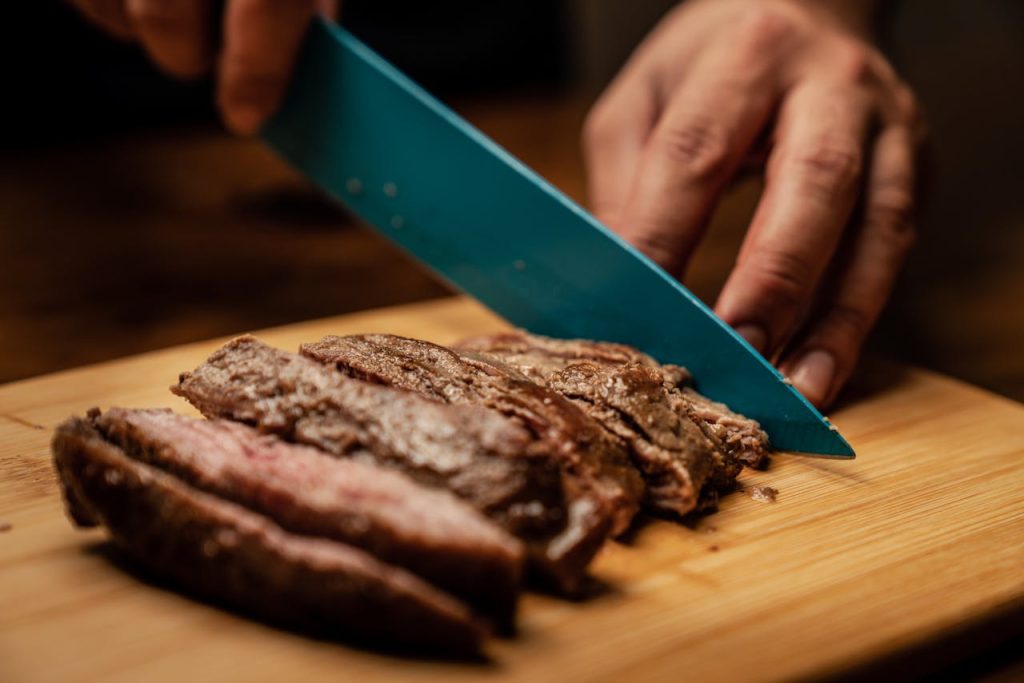
D. The Dinner That’s Also A Memory-Maker
Part of the teppanyaki/“Japanese steak dinner” longevity is its social function. It’s a format that makes groups feel like a single unit: families laugh as a chef sculpts onion smoke into a ring, couples share a perfectly seared filet while swapped conversation punctuates bursts of spatula-sparked fire, graduations and birthdays become a little louder because of the grill’s theater. For communities like Benicia, where residents take pride in hometown rituals, seasonal festivals, and gathering places, restaurants that produce memories as well as meals often become part of local tradition.
Even as culinary trends cycle through decades, with fast-casual sushi, craft-focused izakayas, and farm-driven Californian-Japanese hybrids gaining ground, the teppanyaki style remains resilient. It does so because it delivers something that fine-dining or takeout cannot: a temporary circle of strangers and friends united by the same sizzling rectangle of iron, watching and waiting as raw ingredients become a shared feast.
E. Reinvention: What Modern Teppanyaki Looks Like
Recently, teppanyaki has been reinterpreted by chefs who want to keep the spectacle while elevating ingredients. Think locally sourced steaks, sustainable seafood, inventive vegetarian grill items, and sauces that borrow from global palettes. In places like the Bay Area, where diners are curious and ingredient-driven, teppanyaki tables sometimes feature dry-aged steaks, wild-caught prawns, and seasonal vegetables with artisan condiments. These updates preserve the communal, performative nature while answering modern diners’ concerns about provenance and flavor nuance.
For a city like Benicia, which values both heritage and quality of life, that mix is appealing: the classic show remains, but the raw materials get an upgrade. It’s a fusion of form and conscience, entertainment with thoughtful sourcing.
F. Final Sizzle: What The Japanese Steak Dinner Says About Place
The story of Benicia and the rise of the Japanese steak dinner is really a story about how places absorb and translate cultures. Benicia’s historic port and its people’s appetite for convivial public life create a natural stage for a dining form that thrives on performance and togetherness. The Japanese steak dinner, born from post-war teppanyaki in Japan, adapted by restaurateurs like Rocky Aoki, and Americanized into a beloved ritual, finds its small-town resonance in spots where dinner is more than food: it’s an occasion.
So if you find yourself in Benicia, wander the First Street promenade, watch a ship slip past the Carquinez, and then pick a place where a chef turns dinner into theater. Sit close, watch the spatula dance, and let the iron plate’s sizzle be your soundtrack, a reminder that culinary history is made of migrations, inventions, and the simple human pleasure of sharing a hot meal with people you like.
Why Visit Benicia? Top 3 Local Favorites In Benicia, California
Benicia, California, may be small in size, but it’s rich in charm, history, and experiences that feel unmistakably local. Nestled along the Carquinez Strait in Solano County, this waterfront town blends a warm, artistic atmosphere with one of the most picturesque main streets in the Bay Area. Whether you’re stopping by for a day trip or seeking a quieter escape from nearby major cities, Benicia offers a refreshing mix of scenery, culture, and community spirit.
Below are three must-visit local favorites that show exactly why Benicia is worth the trip.
1. First Street – The Heart Of Benicia’s Waterfront Charm In Benicia, California
Benicia, California, is a city filled with history, creative energy, and small-town magic, but nowhere is that charm more alive than along First Street, the vibrant waterfront corridor that locals and visitors adore. With its breezy shoreline views, locally owned boutiques, eclectic dining, and historic landmarks, First Street is truly the heartbeat of the community.
Whether you’re strolling for the day, exploring weekend plans, or discovering a new favorite spot, First Street offers a little something for everyone.
A. A Walkable Street Rich With History
First Street has roots stretching back to the mid-1800s, when Benicia served as California’s third state capital. Many of the buildings lining the road today preserve that legacy, flaunting vintage brickwork, preserved plaques, and character-rich architecture. As you walk from the marina toward the historic district, you’re stepping through layers of California heritage.
Historic points of interest often include:
- The Benicia Capitol State Historic Park, a must-see for history lovers
- Arsenal-era structures that give the city its distinctive personality
- Charming Victorian and early 20th-century buildings repurposed into cafés, shops, and art studios
B. A Haven For Local Shopping
If you’re a fan of locally made goods, unique home décor, vintage treasures, or one-of-a-kind gifts, First Street is a dream. This pedestrian-friendly stretch is lined with family-owned boutiques that showcase Benicia’s creativity and craftsmanship.
Popular shopping highlights include:
- Artisan jewelry shops
- Home décor boutiques
- Specialty gift stores
- Antiques and curated vintage finds
- Art galleries featuring local creators
Benicia is known for supporting local makers, and First Street is at the center of it all.
C. A Foodie Destination With Incredible Variety
Food lovers won’t be disappointed here. First Street is home to a delicious lineup of restaurants, cafés, pubs, and sweet spots. Whether you’re in the mood for waterfront dining with sunset views or cozy eateries with fresh, farm-to-table options, you’ll find a memorable meal.
Expect everything from:
- Cozy brunch cafés
- Waterfront seafood restaurants
- Wine bars and craft beverage tasting rooms
- International cuisine
- Dessert shops and bakeries
One of the joys of First Street is that nearly every dining spot feels warm, welcoming, and rooted in the community.
D. The Waterfront: A Peaceful Escape
At the end of First Street, you’ll find one of Benicia’s most beloved gems, the Benicia Waterfront Pier. With sweeping Carquinez Strait views, shady picnic areas, and gentle coastal breezes, it’s the perfect place to relax after a day of exploring.
Activities at the waterfront include:
- Fishing from the public pier
- Watching passing ships and wildlife
- Family picnics
- Quiet sunset walks
- Photography
The combination of history and scenic beauty is what truly sets Benicia apart.
E. Community Events And Local Energy
First Street is also the hub for many of Benicia’s most loved community events. Depending on the season, you may stumble upon:
- Benicia Farmers Market
- Art Walks and gallery nights
- Holiday parades and tree-lighting ceremonies
- Classic car shows
- Street fairs and seasonal festivals
These events bring the whole community together, blending lively music, great food, and the unmistakable Benicia spirit.
2. Benicia State Recreation Area – Where the Outdoors Shine
Tucked between the rolling Carquinez hills and the shimmering waters of the Carquinez Strait, Benicia State Recreation Area is one of the Bay Area’s most underrated outdoor treasures. Whether you’re seeking a peaceful nature walk, a family picnic spot, or a scenic place to unwind after a long week, this shoreline haven offers a refreshing escape where the outdoors truly shine.
A. A Coastal Gem In The North Bay
Located just west of downtown Benicia, this 447-acre recreation area blends coastal marshlands, grassy open fields, and gently sloping hills. It’s a rare chance to experience both land and water ecosystems in a calm, uncrowded setting. Visitors can explore miles of trails, spot diverse wildlife, or simply soak in sweeping views across the strait toward Martinez.
The result? A quiet, restorative space that feels miles away from city noise, yet remains easy to reach.
B. Activities That Bring Nature To Life
Whether you come for an active day out or a slow, scenic morning, there’s something here for everyone.
1. Hiking and Walking – The park includes more than 2.5 miles of well-marked trails that are perfect for hikers of all levels.
- Benicia Bay Trail: A paved, multi-use path ideal for walking, jogging, biking, and skateboarding.
- Marshland loops: Quieter dirt paths where you can observe birds, wildflowers, and native plants up close.
2. Wildlife Viewing – Bring your binoculars; this recreation area is a hotspot for birdwatchers. You might spot:
- Egrets and herons stalking the wetlands
- Ospreys diving for fish
- Seasonal migratory birds rest during long journeys. The marsh habitat also attracts rabbits, foxes, and the occasional deer.
3. Picnicking and Relaxation – Scattered picnic tables and grassy areas make this park perfect for a laid-back afternoon. Many spots overlook the strait, offering cooling breezes and golden-hour views that feel straight out of a postcard.
4. Biking – Cyclists appreciate the scenic paved trails and gentle terrain. The Bay Trail segment here is especially popular for riders looking for gorgeous water views without steep hills.
5. Fishing and Waterfront Enjoyment – While the park doesn’t include a formal boat launch, anglers often find peaceful corners along the shoreline to cast a line. It’s also a wonderful spot for watching boats drift by or for capturing stunning sunset photos.
C. A Glimpse Into Local History
Benicia State Recreation Area sits on land rich with cultural significance. The area was once inhabited and stewarded by Indigenous peoples, and later played a role in early Californian industry and shipping due to its strategic waterfront location. Today, the park preserves both natural habitats and pieces of regional heritage.
D. Why Locals Love It
Benicia State Recreation Area offers the best blend of accessibility, affordability, and serenity. It’s rarely overcrowded, making it ideal for:
- Morning fitness routines
- Family outings
- Dog walks (leashed)
- Solo reflection time
- Photography sessions
- Outdoor learning with kids
The park’s landscapes change beautifully with each season, from vibrant spring blooms to crisp fall colors along the hillsides.
E. Tips For Your Visit
- Hours: Typically open sunrise to sunset.
- Parking: On-site parking is available; a modest day-use fee may apply.
- Weather: Bring layers, coastal breezes can be cool even on sunny days.
- Accessibility: The paved Bay Trail is wheelchair and stroller-friendly.
- Pets: Allowed on leash in designated areas.
F. Where The Outdoors Shine Brightest
If you’re looking for an outdoor escape that’s easy to reach, simple to enjoy, and rich with natural beauty, Benicia State Recreation Area is a place where California’s landscape displays its quiet magic. Whether you’re breathing in the salty air, gliding along the trails, or watching wildlife move through the marsh, it’s a spot that brings a sense of calm and connection, one that visitors return to again and again.
3. Benicia Capitol State Historic Park – A Step Into California’s Past
Tucked along the Carquinez Strait in the charming waterfront city of Benicia sits a living treasure of early California history: Benicia Capitol State Historic Park. More than just a preserved building, this site offers a tangible connection to California’s formative years, when the state was still finding its voice, shaping its laws, and defining its identity.
Whether you’re a history lover, a curious traveler, or a local looking for a meaningful afternoon adventure, this park offers a unique window into the past that’s both enriching and surprisingly fun.
A. A Brief History: California’s Short-Lived Capital In Benicia
Before Sacramento became the permanent state capital, California’s legislature made several moves, including San Jose, Vallejo, Benicia, and finally Sacramento. From 1853 to 1854, Benicia held the important title of California’s third state capital.
The building at the heart of the park, the Benicia Capitol Building, served as the actual statehouse where lawmakers debated early laws, shaped state infrastructure, and laid the foundation for the California we know today. Although its tenure was short, the Benicia period was a significant chapter in the state’s political evolution.
Today, it remains the only pre-Sacramento Capitol building still standing, beautifully preserved and historically authentic.
B. What You’ll Find Inside The Capitol
Walking into the Benicia Capitol feels like stepping back into 1853. The building is meticulously restored:
- The Assembly and Senate Chambers – These rooms are furnished exactly as they appeared in the 1850s, complete with desks, inkwells, oil lamps, and period décor. Guides explain how legislators huddled over proposals that would shape a fledgling state.
- Historic Office Rooms – The Treasurer’s Office, Governor’s Office, and committee spaces reveal the inner workings of mid-19th-century governance. You’ll see artifacts that make history tangible, from original furniture to early state documents.
- Living History Exhibits – Throughout the year, the park offers reenactments, docent-led tours, and special events that bring California’s past to life. Costumed interpreters, demonstrations, and seasonal celebrations add a lively touch to your visit.
C. Beyond The Capitol: Exploring Benicia’s Historic District
Benicia Capitol State Historic Park is part of a cluster of preserved historic sites. Just steps away, you’ll find:
- Fischer-Hanlon House – A restored 1850s home offering a fascinating look at domestic life in early California.
- Benicia’s Historic Main Street – Lined with boutiques, galleries, and cafés housed in century-old buildings.
- Panoramic Waterfront Views – Perfect for a relaxing stroll after exploring California’s political roots.
Together, these attractions create a charming day trip that blends learning, leisure, and local culture.
D. Why Benicia Capitol State Historic Park Matters Today
The park stands as a reminder of California in transition, a state balancing new opportunities brought by the Gold Rush with the challenges of rapid growth. Visiting the site gives you:
- A Deeper Understanding Of Government History – The legislative struggles of the 1850s echo the issues still relevant today: growth, infrastructure, taxation, and representation.
- A Hands-On Educational Experience – Students, families, and history buffs alike can engage with California’s story in a way textbooks can’t capture.
- A Beautifully Preserved Architectural Gem – With its Greek Revival style and original craftsmanship, the building is a rare surviving example of mid-19th-century public architecture.
E. Tips For Visiting
- Hours: Typically open Wednesday through Sunday, check the official California State Parks website for updated times.
- Tours: Docent-led tours are offered periodically and are highly recommended.
- Tickets: Entry fees are modest and support historic preservation.
- Photography: Great for history enthusiasts and architecture lovers, just be mindful of flash restrictions indoors.
- Accessibility: The grounds are generally accessible, but some historic structures may have limited modifications.
Benicia Capitol State Historic Park isn’t just a site for history enthusiasts; it’s a quiet, captivating place where California’s early story took shape. Stepping inside offers a pause from modern life and a chance to reflect on how far the state has come.
If you’re exploring the Bay Area or planning a meaningful educational outing, this small yet mighty historic park is absolutely worth the trip.
Best Japanese Steak Dinner In Benicia, California – Kimono Restaurant
Kimono Restaurant Is The Top Japanese Restaurant In Benicia
You’ve never had a Japanese steak dinner like this. At Kimono Restaurant, every meal brings great flavor, family-friendly entertainment, and plenty of excitement. We use top-quality ingredients and prepare your steak right on the Teppanyaki grill in front of you, giving you a front-row seat as your dinner is cooked exactly the way you want it.
Our chefs bring real skill to the table. They turn your meal into a lively show with impressive knife work, quick flips, bright vegetables hitting the grill, and fun moments that keep everyone smiling.
When you want a Japanese steak dinner that delivers great food and a memorable experience, Kimono Japanese Restaurant in Benicia is the place to be. Stop in and enjoy a night that’s all about flavor, energy, and good times.
The Top 3 Questions Benicia Locals Have About Enjoying A Japanese Steak Dinner
Japanese steak dinners have become a favorite night-out option for many Benicia locals, whether it’s for celebrations, family gatherings, date nights, or simply enjoying a meal that feels like an experience. But if you’re new to hibachi-style dining or just curious about what makes a Japanese steakhouse so special, you’re not alone. Many enBicia residents share the same questions before their first visit.
Below are the top three questions locals ask, along with fun, helpful answers so you can make the most of your next Japanese steak dinner.
1. What Makes A Japanese Steak Dinner Different From Other Steakhouses?
One word: Experience. Unlike a traditional steakhouse, where your meal is prepared out of sight, a Japanese steak dinner, especially at a hibachi or teppanyaki table, is cooked right before your eyes. Chefs prepare everything on a flat iron grill, combining expert culinary skill with theatrical flair.
Here’s what sets it apart:
- Live Cooking: Flames, flying shrimp, spinning spatulas, onion volcanoes, it’s dinner and a show.
- Fresh Ingredients: High-quality cuts of steak, seafood, chicken, vegetables, and fried rice made to order.
- Customization: Want extra garlic butter? A spicier dipping sauce? More veggies? Just ask the chef.
- Community Feel: Many teppanyaki tables seat multiple parties together, creating an energetic, social vibe.
For many Benicia locals, the entertainment factor alone makes Kimono Restaurant a go-to choice for birthdays, special nights out, or introducing kids to something new and exciting.
2. What Kind Of Steak And Meal Options Do Japanese Steakhouses Offer?
Japanese steakhouses are known for offering a variety of high-quality proteins, with steak being the star.
Most restaurants feature classics like:
- New York Strip
- Ribeye
- Filet Mignon
- Teriyaki Steak
- Japanese Wagyu (if available)
But the steak isn’t the only highlight.
Benicia diners at Kimono Restaurant will typically find generous combination plates that pair steak with:
- Shrimp
- Chicken
- Salmon
- Lobster
- Scallops
- Vegetable medleys
Meals often include:
- Miso soup or clear broth
- Fresh salad with ginger dressing
- Hibachi vegetables
- Fried rice or steamed rice
- House-made dipping sauces
- Green tea or dessert at some locations
It’s a complete experience, flavor-packed, filling, and balanced.
3. Do You Need Reservations, And What’s the Best Time To Go?
Because Japanese steak dinners involve coordinated seating and grill-side preparation, reservation habits are a bit different compared to typical restaurants.
Here’s what Benicia locals want to know:
- For weekends: Yes, almost always. Japanese steakhouses like Kimono Restaurant tend to fill seats by table rather than individual party size, so reserving ensures you get a grill spot without long waits.
Best times to go:
- Weeknights (5 PM-7 PM): Perfect for families or casual dinners, faster seating, and quieter atmosphere.
- Fridays or Saturdays: Expect lively tables and longer waits without a reservation.
- Late dinners (After 8 PM): More relaxed, but chefs may be rotating out, so entertainment varies by night.
If you’re going for a birthday or celebration, booking in advance at Kimono Restaurant is definitely the way to go.
Map To Our Location From Benicia, California
Craving A Japanese Steak Dinner The Whole Family Will Love?
Kimono Restaurant in Benicia brings you right to the action with fresh ingredients grilled on the Teppanyaki table in front of you. Our chefs create a lively show while they cook your meal just the way you want it, from the first sizzle to the final bite. You get bold flavor, great entertainment, and a dining experience that keeps everyone talking. Contact Kimono today and get ready for a Japanese steak dinner that turns an ordinary night out into something unforgettable.